Professional batteries for every application
Originally a battery manufacturer, Elfa has evolved into an importer of a wide range of primary and rechargeable batteries in various formats. This combination of product expertise and market experience forms the foundation of a carefully curated portfolio of leading brands.
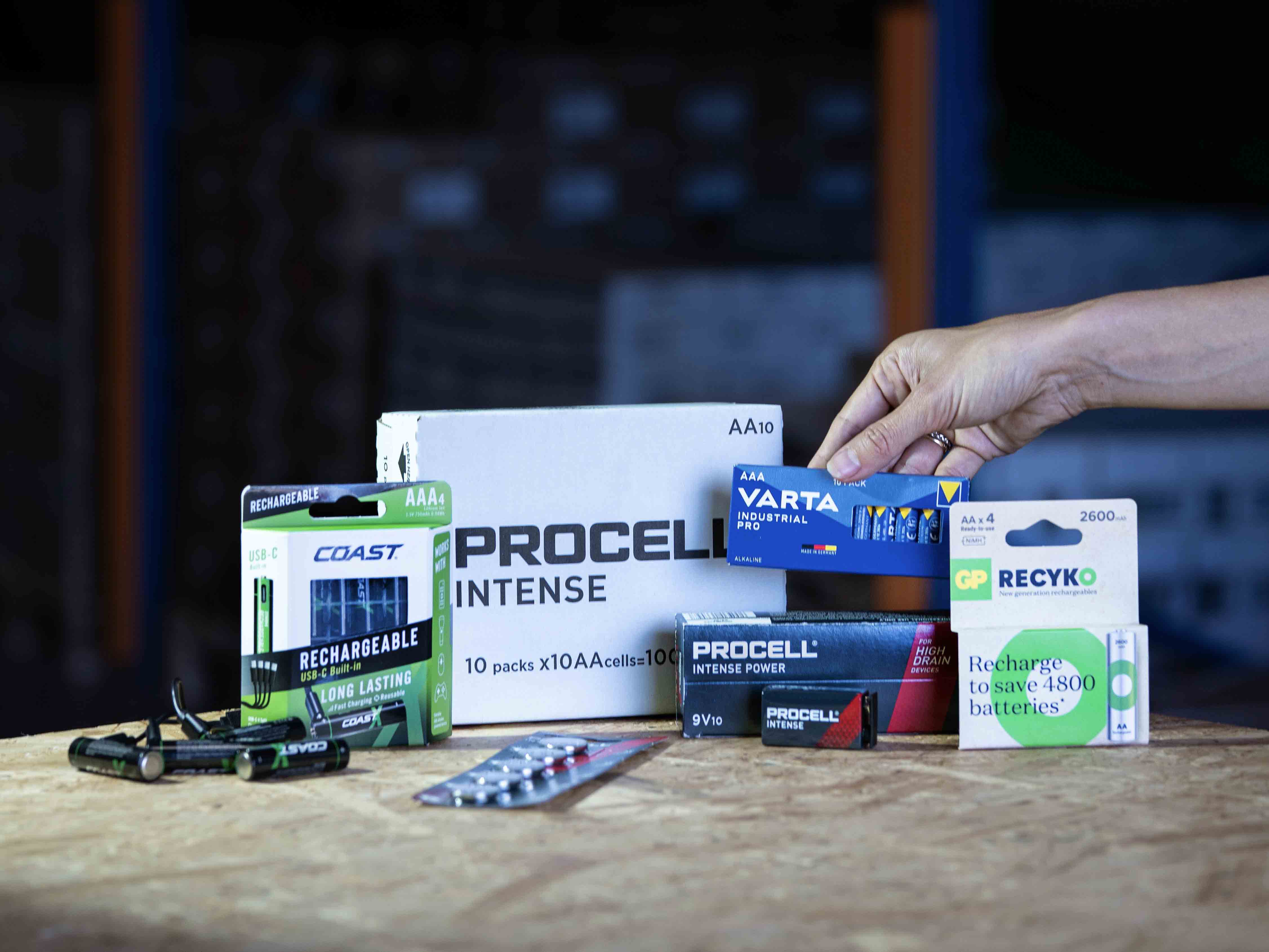
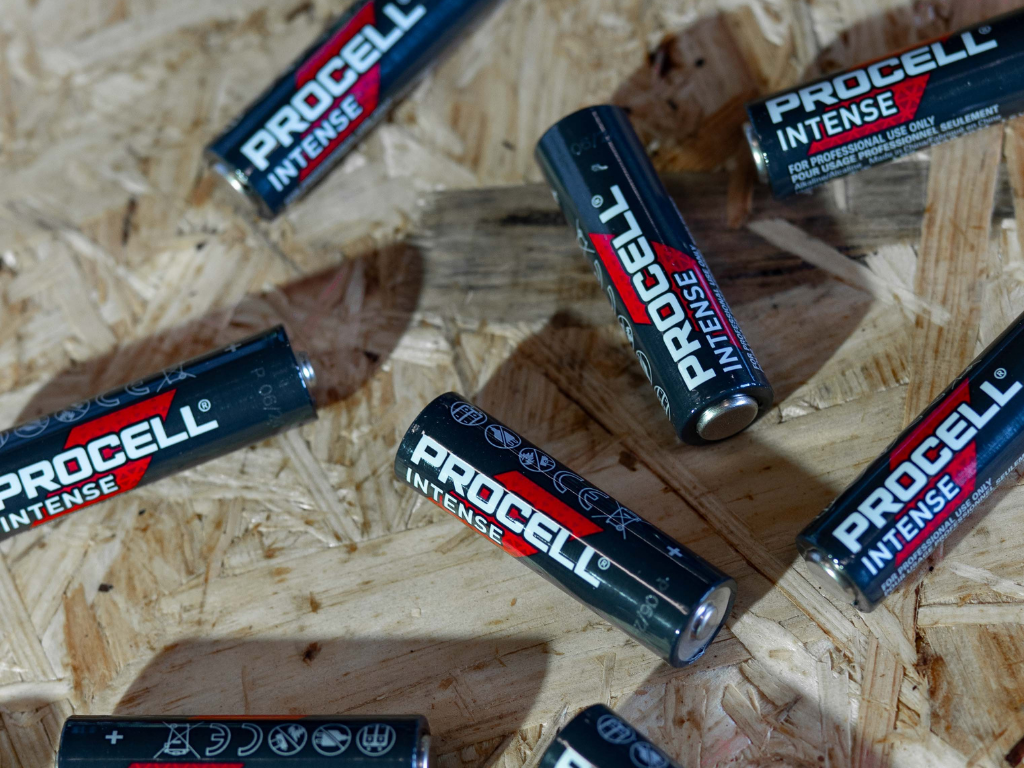
Reliable energy, always ready to use
Rechargeable power designed for the long term
Our solutions are suitable for both individual users and complete military platforms. We deliver energy concepts that enhance operational effectiveness and help keep personnel safe, even under extreme conditions.

Elfa, your B2B partner for battery solutions
.svg)
High quality is our standard
We only work with A-brands and certified components. Each product is extensively tested for performance and safety for maximum reliability.
In-house assembly
Production takes place in our own production locations in accordance with strict safety standards and procedures. This allows us to realize complex battery packs.
Technical advice by our specialists
We support you with expert advice throughout the process - from specification to implementation - so that chosen solutions optimally meet your technical requirements and needs.

Frequently asked questions

There are several types of rechargeable batteries, each with its own characteristics and applications:
- NiMH batteries (Nickel Metal Hydride)
Commonly used in consumer electronics such as remote controls, flashlights, and portable devices. They offer relatively high capacity and are widely used as rechargeable AA and AAA batteries. - NiCd batteries (Nickel-Cadmium)
Less common today because of their lower capacity and sensitivity to the so-called “memory effect”. Still used in certain industrial applications, cordless phones, and tools. - Lithium-ion batteries (Li-ion)
Widely used in smartphones, laptops, electric vehicles, and industrial applications due to their high energy density, long lifespan, and low self-discharge. - Lithium polymer batteries (LiPo)
A variation of Li-ion technology with a lightweight and compact design. Often used in drones, tablets, smartphones, and other portable electronics. - Lead-acid batteries
Commonly used in vehicles, backup systems, boats, and industrial equipment. Known for their ability to deliver high current and relatively low cost. - Lithium iron phosphate batteries (LiFePO4)
Known for their long cycle life, high safety level, and thermal stability. Frequently used in energy storage systems, electric vehicles, and industrial applications. - Zinc-carbon rechargeable batteries
Less commonly used today because of their lower capacity and shorter lifespan compared to modern battery technologies.
Choosing the right rechargeable battery depends on the application, required capacity, operating conditions, and expected lifespan. Proper charging and maintenance are essential for optimal performance and battery longevity.
Rechargeable batteries offer several important advantages over non-rechargeable alkaline batteries:
- Long lifespan - Many rechargeable batteries can be recharged hundreds or even thousands of times, making them highly durable.
- Cost-effective - Although the initial purchase price is higher, rechargeable batteries and chargers quickly pay for themselves when batteries are used regularly.
- More environmentally friendly - Because rechargeable batteries are reused many times, far fewer disposable batteries end up as waste. This helps reduce environmental impact and supports more sustainable energy use.
- Reliable brands - Well-known brands such as Saft, Tadiran, and Varta produce high-quality rechargeable batteries that are often available directly from Elfa stock.
Before switching to rechargeable batteries, it is important to verify whether the specific application is suitable for rechargeable battery technology.
Nickel Metal Hydride (NiMH) batteries are rechargeable batteries known for their reliability and environmentally friendly characteristics.
NiMH batteries are widely used as an alternative to NiCd batteries, which are restricted in many portable applications due to environmental regulations.
Key advantages of NiMH batteries include:
- High energy capacity
- No cadmium content
- Rechargeable hundreds of times
- Minimal memory effect
- Stable performance across many applications
NiMH batteries are commonly used in:
- Flashlights and headlamps
- Security and emergency equipment
- Consumer electronics
- Industrial applications
Thanks to their strong price-performance ratio, NiMH batteries are a practical and sustainable choice for professional use.
Elfa supplies a wide range of NiMH batteries as well as compatible standard and fast chargers.
There are several important differences between lithium and alkaline batteries:
- Lithium batteries generally last up to 7 times longer than alkaline batteries
- Alkaline batteries are usually more affordable
- Lithium batteries are often used in professional and industrial applications
- Alkaline batteries are mainly used in consumer devices such as remote controls and radios
- Lithium batteries perform better under extreme temperatures and high energy demand
Well-known lithium battery brands include Saft, Tadiran, and GP Batteries. Popular alkaline battery brands include Procell and Panasonic.
LiPo stands for Lithium Polymer or Lithium-Ion Polymer. A LiPo battery is a lightweight rechargeable battery with high capacity and a long lifespan.
LiPo batteries are widely used in:
- Smartphones
- Laptops
- Drones
- RC vehicles
- Portable electronics
A LiPo battery consists of one or more cells with a nominal voltage of 3.7 V per cell. When fully charged, each cell reaches approximately 4.2 V.
The number of cells is indicated with an “S” rating, such as:
- 2S LiPo
- 3S LiPo
- 4S LiPo
Thanks to their high power output and low weight, LiPo batteries are especially suitable for applications where performance and compact size are important.
To maximize lifespan and safety, LiPo batteries must be charged, discharged, and stored correctly.
A battery recycling fee is a legally required environmental contribution for products that contain a battery or are supplied with one. This fee helps finance the collection, processing, and recycling of used batteries in accordance with environmental regulations.
The recycling fee applies not only to loose batteries, but also to products with integrated or included batteries, such as flashlights and portable electronics.
Where can batteries be recycled?
- Consumers can return used batteries at municipal chemical waste collection points or approved collection locations
- Companies can arrange collection through certified recycling and waste processing companies
Proper collection and recycling ensure that harmful substances are processed safely and valuable raw materials can be recovered and reused.
Read more about the current battery recycling fees here.