Lithium batteries
Elfa's experts are ready to answer any questions and provide further assistance.
.png)


The lithium battery, a commonly used non-rechargeable battery type, is known for its high energy density and excellent performance at low temperatures. As a result, it is often used in industrial electronics, such as measuring instruments and tracking systems. Read all the details about lithium batteries, as well as Elfa's offerings, on this page.

What are the main features of lithium batteries?
A (non-rechargeable) lithium battery is a type of battery that uses lithium metal or lithium compounds as the anode. Lithium batteries are known for their high energy density, making them suitable for compact, energy-intensive devices. In addition, lithium batteries continue to perform well at both very low and very high temperatures.
Because these are non-rechargeable variants, lithium batteries are intended for single use: after discharge, they are discarded. Lithium batteries also provide a higher voltage per cell (usually around 3.6 V) than standard batteries. As a result, they can deliver more energy and last longer in high-load applications.
Benefits of lithium batteries
Non-rechargeable lithium batteries offer various benefits that may be important for your application. The main advantages of lithium batteries at a glance:
- Long lifespan: they can store energy for a long time with a very low self-discharge rate, allowing them to function for years without needing replacement
- High energy density: lithium batteries have a high energy density, meaning they can store more energy in a smaller space compared to other battery types
- Wide temperature range: they operate reliably across a wide range of temperatures, from very cold to very hot, making them suitable for extreme environments
- Constant voltage: lithium batteries provide a fairly constant voltage throughout their lifetime, ensuring reliable performance of the devices in which they are used
- Lightweight: they are relatively lightweight, making them suitable for portable devices where weight is an important factor
Possible disadvantages of lithium batteries
Lithium batteries, like everything else, are not without flaws. While they certainly have their strengths, the disadvantages must also be considered. The impact of these disadvantages depends on the application for which the batteries are used.
- Costs: compared to other types of batteries, lithium batteries can be more expensive to purchase. This can be a factor, especially in applications that require large numbers of batteries
- Environmental issues: despite being efficient and powerful, lithium batteries contain materials that can harm the environment if not properly disposed of. Recycling is possible but requires specialized facilities
- Safety risks: under certain circumstances, such as damage or exposure to high temperatures, lithium batteries can leak hazardous chemicals or even cause fires
- Regulations and transport: due to their chemical composition, there are strict rules for the transport and shipment of lithium batteries, which can pose logistical challenges. This is because lithium batteries are classified as “dangerous goods.” Manufacturers do provide certificates in accordance with laws and regulations, although dangerous goods are not accepted by all carriers
- Limited power output: although the energy density is high, some lithium batteries are not designed for applications that require high current delivery
The rechargeable battery types
In addition to standard non-rechargeable lithium batteries, there are also rechargeable variants, such as Lithium-Ion (Li-Ion), Lithium Iron Phosphate (LiFePO4) and Lithium Polymer (LiPo) batteries. These rechargeable types offer the flexibility to be used repeatedly, making them more durable and cost-effective for high-energy applications.
Each type has its own unique properties and benefits, such as higher energy density, longer lifespan, and improved safety, making them suitable for a wide range of applications.
Elfa lithium batteries
To ensure that we always have a suitable battery for our customers, we offer a wide range of lithium batteries. We therefore carry several brands, including Tadiran and Saft.

An example of a lithium battery from Tadiran is the 3.6 V SL760S Xtra AA Basic Quick Start. This lithium thionyl chloride battery has a voltage of 3.6 V and a capacity of 2.2 Ah in an AA format. Tadiran is known as a manufacturer of high-power lithium thionyl chloride batteries, which are among the most powerful and reliable on the market. They have proven their performance in even the most demanding conditions for more than 20 years.
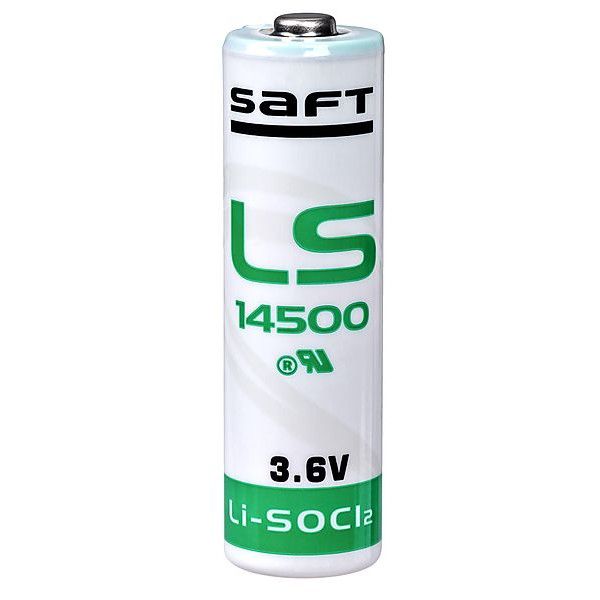
Saft also offers high-quality lithium batteries, such as the AA Base 3.6 V LS14500CFG. This battery from Saft, with a voltage of 3.6 V and a capacity of 2.6 Ah, is renowned for its efficiency, environmental friendliness, and high quality. Saft’s LS14500 cell is ideally suited for long-term applications (usually 5 to 20+ years), with low base currents and periodic pulses.
Frequently Asked Question about lithium batteries
- What is a lithium iron phosphate battery?
- What is the lifespan of a lithium-ion battery?
- What is the lifespan of lithium batteries?
- What is the difference between lithium and alkaline batteries?
- How long does a lithium-ion battery last?
A suitable battery for every application
All batteries that we carry are suitable for professional applications. We are happy to help you choose the right lithium battery for your application, as our specialists have years of experience and are ready to advise you, including on other types of batteries. Feel free to contact us.