Lithium iron phosphate (LiFePO4 batteries and batteries)
Highly safe lithium batteries with a long life, high thermal stability, and many other benefits.
.png)


A lithium iron phosphate battery (LiFePO4 or LFP) has been around since 1996. This battery chemistry offers clear advantages. For example, LiFePO4 cells are considerably safer than LiCoO2 cells, and compared to lead batteries, up to 100% of the nominal capacity can be used with a LiFePO4 battery.

What is LiFePO4?
LiFePO4, also known as lithium iron phosphate or LFP, is a type of rechargeable lithium-ion battery. The name refers to its chemical composition: lithium (Li), iron (Fe) and phosphate (PO4). LiFePO4 batteries were developed in 1996 by a research team led by Professor John B. Goodenough and Akshaya Padhi at The University of Texas at Austin. Today, LiFePO4 is widely used in applications where safety, reliability and a long service life are important.
Features of LiFePO4 batteries
LiFePO4 batteries have various properties that make them particularly suitable for professional use:
- Maintenance-free: a built-in BMS (Battery Management System) balances and protects the cells automatically. They can be installed in any position and do not require a ventilated area.
- Fully deeply dischargeable: 100% discharge is possible without damage. They provide at least five times more cycles than lead batteries and have a high energy density. They are also lightweight and environmentally friendly.
- Strong in cold conditions: loss of capacity is minimal; at −20 °C, they retain approximately 80% of their capacity (compared to approximately 30% for AGM lead-acid batteries). They operate reliably from −45 °C to +70 °C.
- Safe and non-flammable: chemically stable and non-flammable in the event of damage or incorrect charging/discharging.
- Extra long lifespan: phosphate technology provides stability at extreme temperatures and maintains capacity, whereas lead batteries degrade more quickly.
What are the benefits of LiFePO4 batteries?
- Maintenance-free: no periodic maintenance required
- Flexible installation: can be installed in almost any position
- Fully deeply dischargeable: 100% discharge without damage
- Extremely long cycle life: at least five times longer than lead batteries
- High energy density: high power in a compact format
- Lightweight: ideal for applications where weight is important
What are the disadvantages of LiFePO4 batteries?
- Higher purchase price: compared to traditional batteries
- Lower energy density than some lithium-ion types: may result in a larger size for the same capacity
Applications of LiFePO4 batteries
Lithium iron phosphate batteries are used in a variety of professional applications:
- Electric vehicles (EVs): batteries for electric cars, buses, and trucks, thanks to their long lifespan, high energy density, and safety.
- Renewable energy storage: used for solar and wind energy storage; capable of deep discharge and thousands of charge cycles.
- Medical devices: used in oxygen concentrators, defibrillators, and other equipment requiring stable energy output and maximum safety.
- Data storage & telecommunications: UPS systems for data centers and telecom installations, providing constant backup power with minimal overheating.
- Shipping & maritime: used in electric and hybrid boats; reliable in humid and harsh conditions.
- Industrial equipment: used in forklifts and industrial machines, delivering consistent long-term power.
Examples of LiFePO4 batteries and batteries
Due to the many benefits of lithium iron phosphate, batteries with this battery chemistry are ideal for use in professional applications. Elfa therefore offers batteries from various brands. A few LiFePO4 batteries from the Elfa range are further explained.
1. PBQ batteries
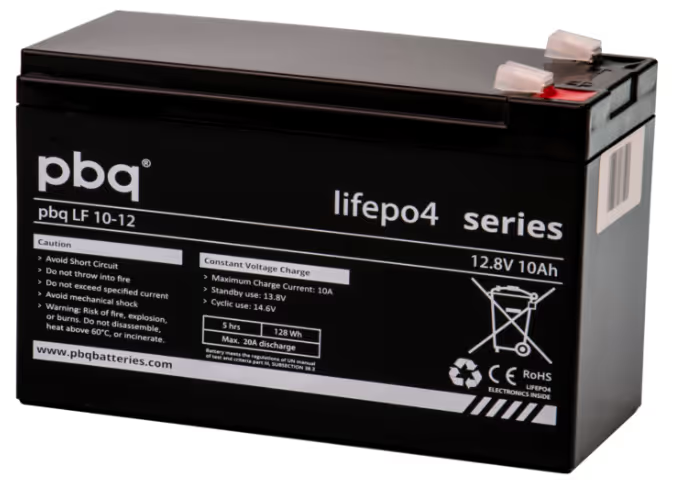
The LiFePO4 batteries from PBQ are a good example of this. These professionally used batteries have been developed for reliability and longevity. They combine a stable voltage with a compact and lightweight design and are often used in mobility aids, recreational applications, marine systems, and energy storage.
- PBQ LF 10-12 LiFePO4 12V-10Ah: compact 12 V 10 Ah battery, ideal for light cyclic applications such as electric scooters, mobility scooters or small recreational systems. This battery is light (±1.5 kg), has hundreds to thousands of cycles and is a good entry-level LiFePO4 solution.
- PBQ LF 12-60LiFePO4 12V‑60Ah: mid-range option with approximately 60 Ah capacity, suitable for heavier cyclic applications such as boats, motorhomes or larger electrical aids where you need more energy temporarily. Capacities around 50—60 Ah are an excellent balance between size, weight and usability.
- PBQ LF 100-12 LiFePO4 12V-100Ah: a large 100 Ah LiFePO4 battery for long-term energy storage, ideal for solar systems, off-grid applications, or heavier vehicles. It provides ample power and thousands of charge cycles.
2. LiFePO4 battery for Maglite ML150R
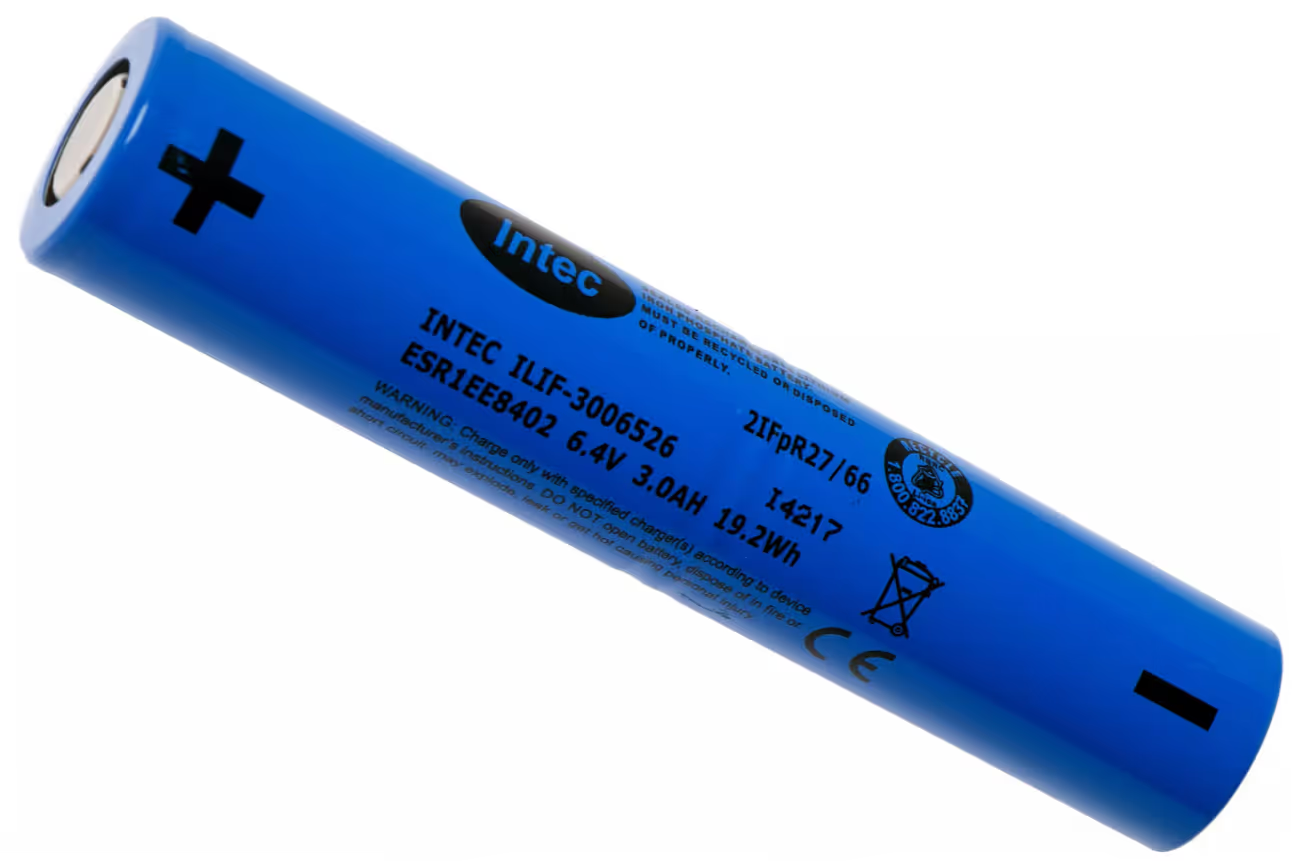
The Maglite ML150R/ML150LR (X) uses a specific LiFePO4 battery pack that is precisely tailored to the design of these rechargeable flashlights. This is not a standard 18650 or 21700 cell, but a LiFePO4 rechargeable battery with the correct voltage and capacity, available from Elfa.
The Maglite ML150R/ML150LR comes standard with a LiFePO4 battery pack (~6.4 V, ≈ 3200 mAh), which can be easily charged using a cradle or charger. Thanks to its high quality and chemistry, this battery pack can withstand hundreds to more than 2000 charge cycles. This is exactly why Maglite chooses LiFePO4: it offers safety, longevity, and reliable performance.
Frequently asked questions about lithium iron phosphate batteries
- What is a lithium iron phosphate battery?
- What is the lithium iron phosphate fire hazard?
- What is LiFePO4?
- How do I recognize a LiFePO4 battery?
- Why LiFePO4?
- What are the LiFePO4 battery disadvantages?
- How much does a LiFePO4 battery cost?
- How to charge LiFePO4?
- Which LiFePO4 battery charger?
- Are LiFePO4 batteries safe?
- Can I charge a LiFePO4 battery with a normal charger?
- Can LiFePO4 batteries explode?
Customized battery solutions from Elfa? Get in touch!
At Elfa, custom battery packs can also be made, tailored to voltage, capacity, and dimensions. This allows us to offer a specific solution for each professional application.
Are you curious whether LiFePO4 batteries or other battery types are suitable for your application? Then contact us. Our experts are happy to help you find a professional and reliable solution. With more than 100 years of experience, you can be sure you have come to the right place.