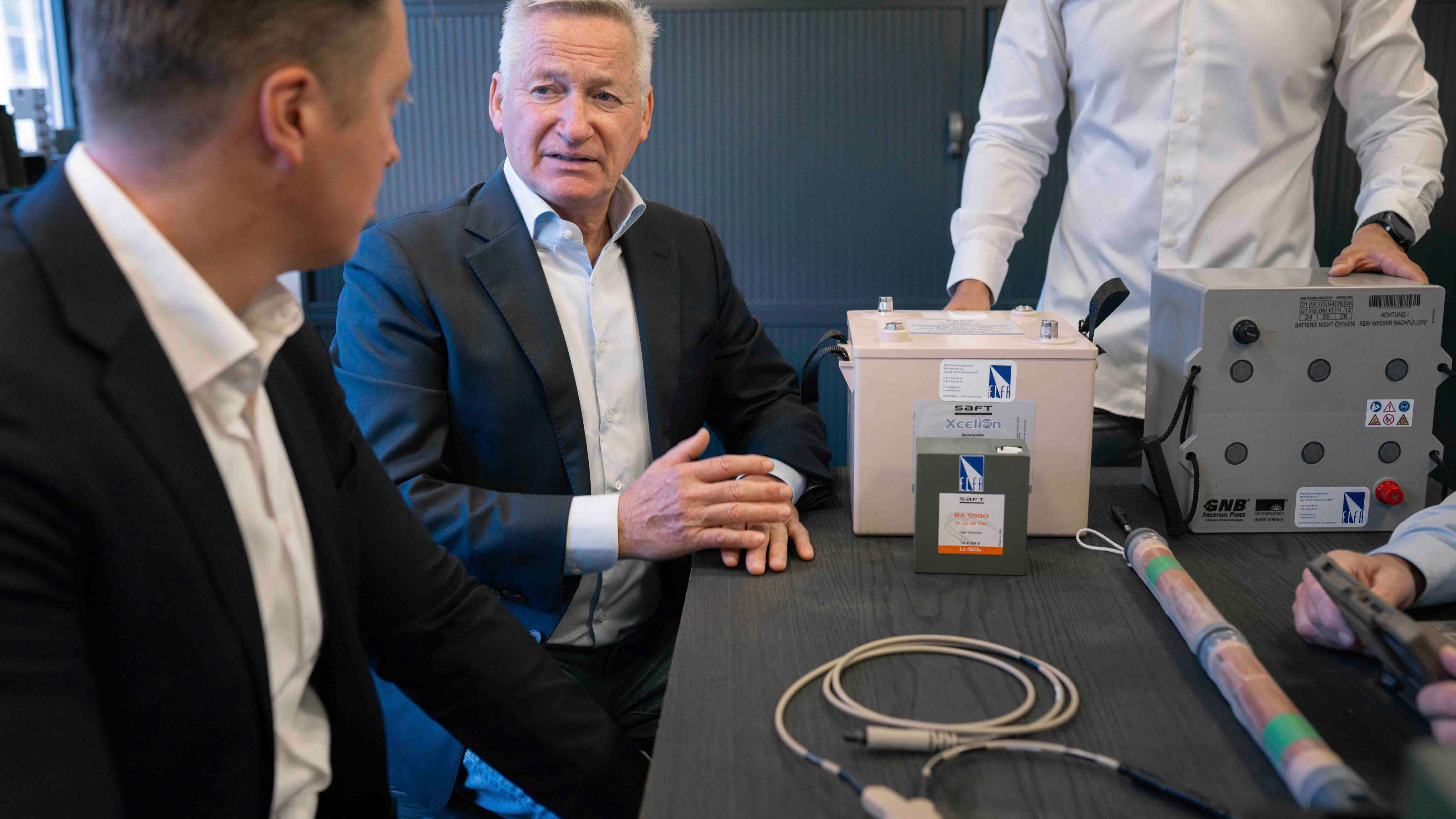
A family business with a rich heritage
What we stand for at Elfa
.png)
Mission
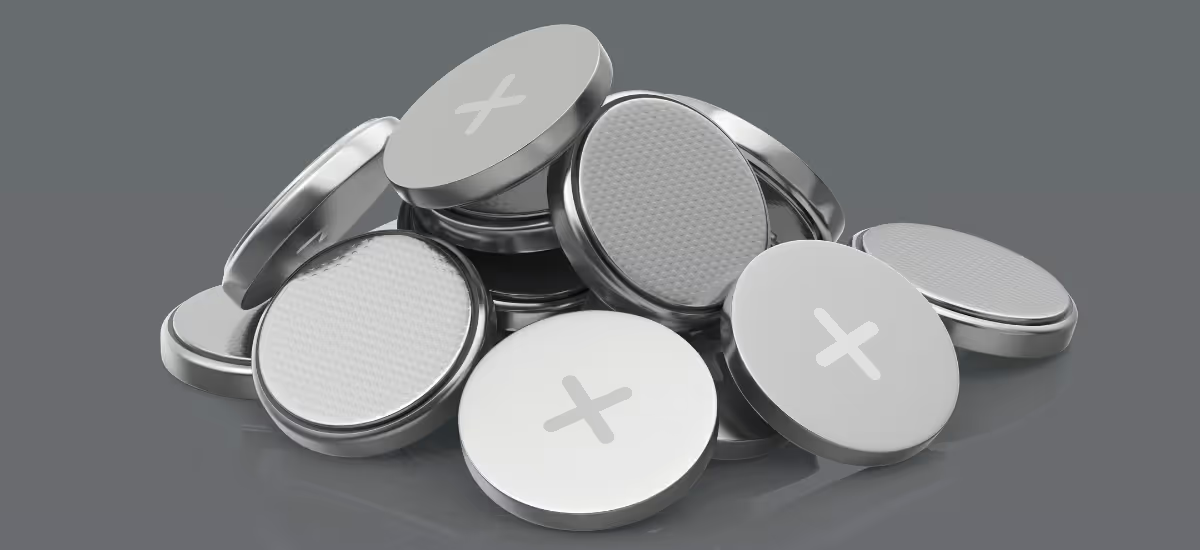
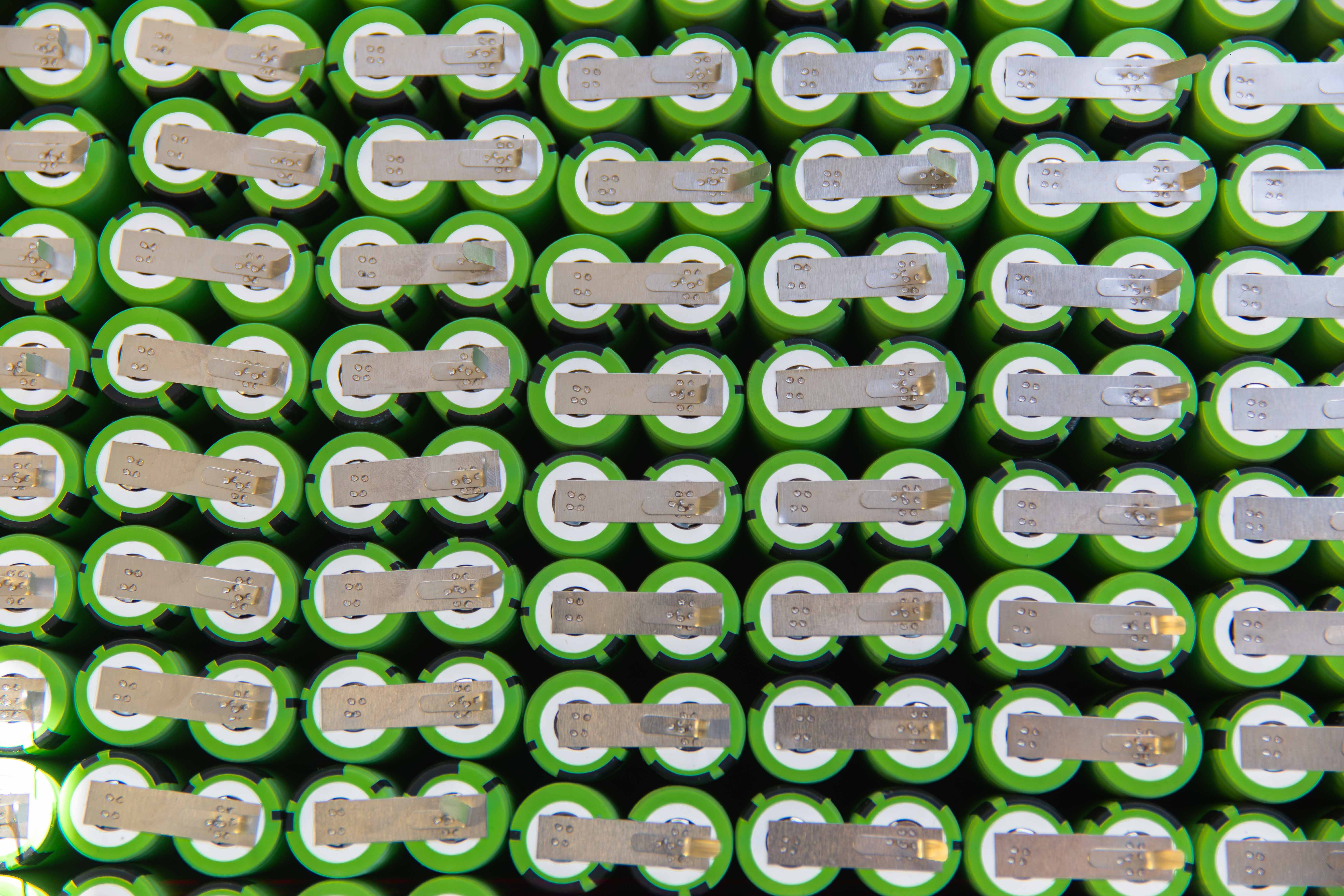
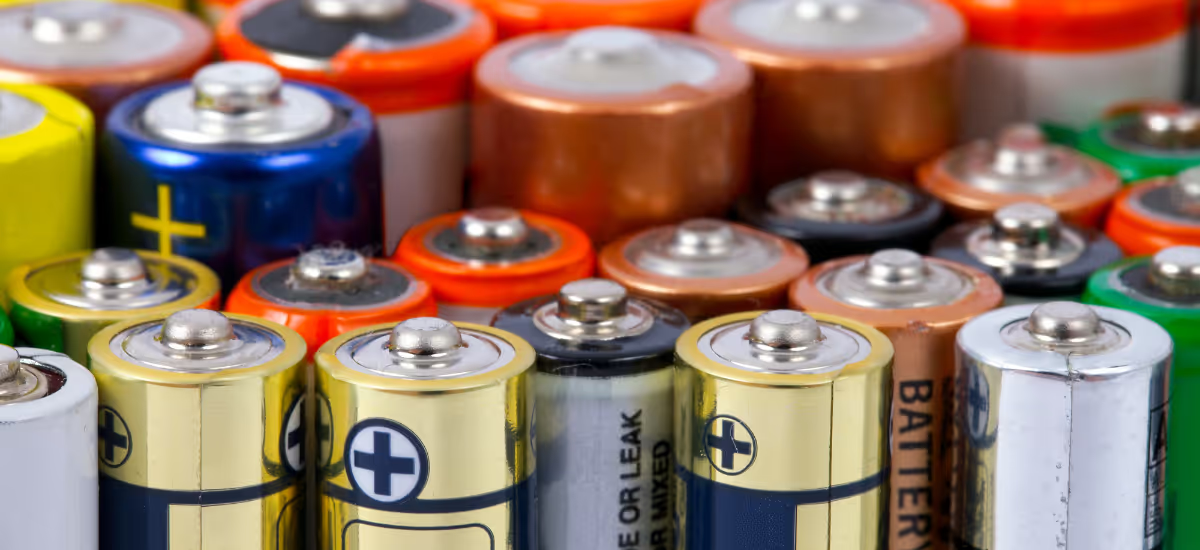
Elfa delivers tailored solutions for companies in portable energy, batteries, rechargeable batteries, lighting, and chargers, using leading brands. We offer a complete range of portable solutions that support strategic business development, combined with a strong focus on sustainable innovation. We strive for maximum satisfaction across all our business relationships. If a solution is not available, we will develop one tailored to your needs.
Vision
Elfa’s ambition is to be the leading strategic partner in portable energy solutions - delivering best-in-class products that drive business success and support sustainable growth.
Our professional approach, strong business foundation, and ability to respond quickly to market changes are rooted in our core values, which guide our decisions every day.
We continuously invest in the development of our people and their expertise to ensure maximum customer satisfaction - today, tomorrow, and in the future.
Core values
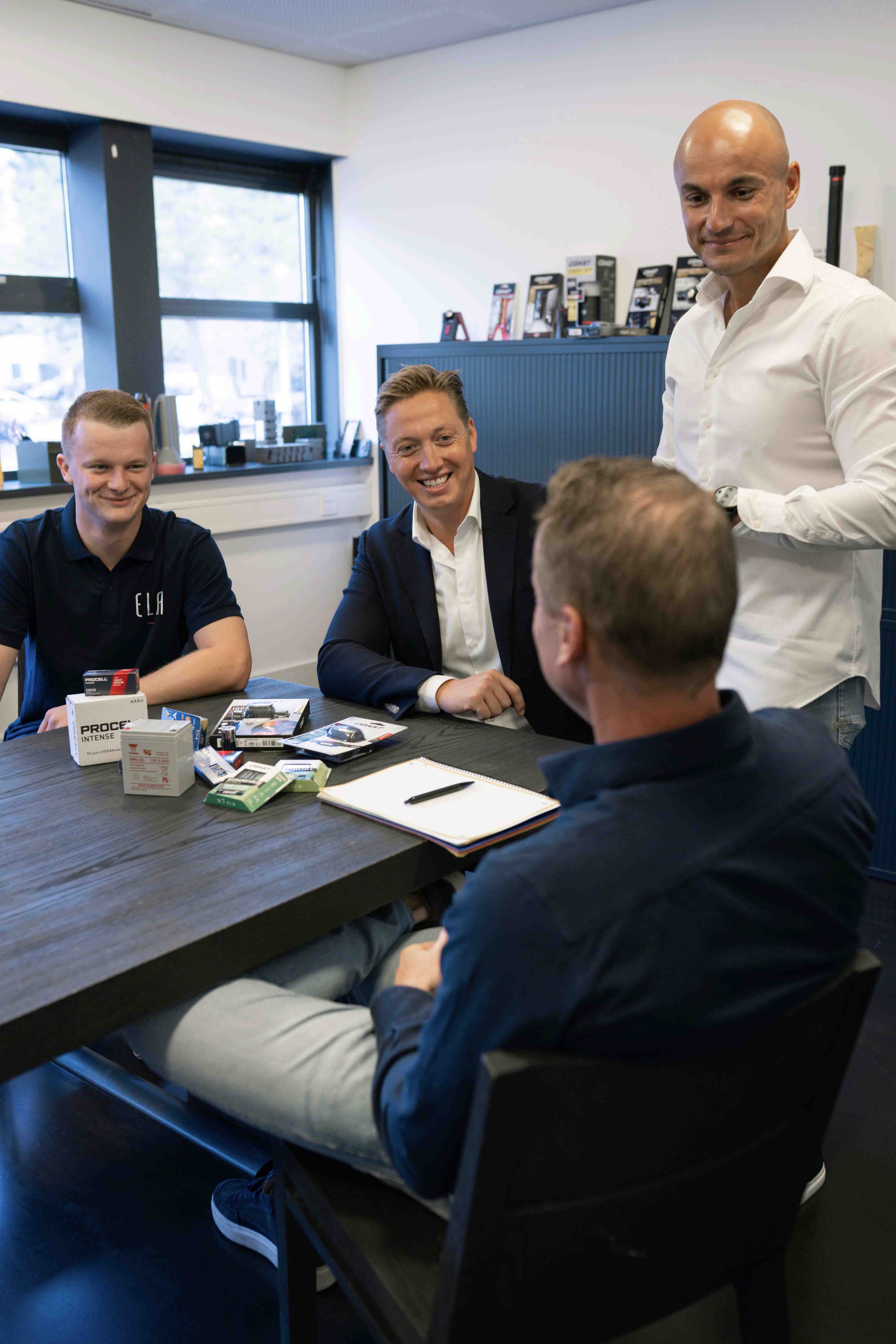
At Elfa, we build strong business relationships on a foundation of four core values: Truth, Trust, Transparency, and Teamwork.
We stand for honesty, clarity, and collaboration in everything we do. This means we say what we do, do what we promise, and are always ready with the right solution.
We are technologically advanced, have deep market knowledge, and respond quickly to change. Personal contact with our customers comes first—ensuring direct communication, fast responses, and genuine engagement.
If a solution doesn’t exist, we create one - always with maximum customer satisfaction as our goal.





.png)


A question about our products or applications? In our FAQ, you'll find clear answers to frequently asked questions about batteries, batteries, lighting and our services.
Frequently asked questions

Elfa Elementenfabriek holds two important international certifications:
ISO 9001 — Quality Management
Elfa operates according to the ISO 9001 standard. This means that processes related to purchasing, sales, distribution, and technical advice for batteries, battery packs, energy storage systems, lighting, and chargers comply with strict quality requirements.
ISO 14001 — Environmental Management
With ISO 14001 certification, Elfa demonstrates its commitment to sustainable and environmentally responsible business practices. Environmental performance is continuously monitored and improved.
These certifications underline Elfa’s reliability, professionalism, and sustainable approach.
Elfa Elementenfabriek B.V.
Madridstraat 5 – 7
1175 RK Amsterdam (Lijnden)
VAT: NL800906305B01
CoC: 33068133
Bank IBAN EUR: NL40INGB0007235888
Bank IBAN USD: NL65INGB0020030126
Swift / BIC: INGBNL2A
Bank IBAN GBP (UK) GB74BUKB20490843454959
Swift / BIC: BUKBGB22
RoHS stands for Restriction of Hazardous Substances. The European RoHS Directive, introduced in February 2003, sets strict limits on the use of hazardous substances in electrical and electronic equipment.
These substances include:
- Lead (Pb)
- Cadmium (Cd)
- Mercury (Hg)
- Hexavalent chromium (Cr6+)
- PBB
- PBDE
An important aspect of the RoHS Directive is the transition to lead-free soldering, helping to improve production safety and reduce environmental impact.
Click here to read the full EU RoHS directive.
No. Elfa only supplies products to business customers.
If you are a private individual, we kindly ask you to contact your electrical installer or another company that can place the order on your behalf. This way, we can still help you find the right solution. Thank you for your understanding.
Yes, Elfa Elementenfabriek makes its product information available via 2BA. This includes brands such as COAST, Procell, Cellpower, and Varta.
NEN stands for the Netherlands Standardization Institute (Nederlands Normalisatie Instituut).
NEN develops and manages standards and guidelines that help improve the safety, quality, efficiency, and sustainability of products, services, and processes. By sharing knowledge and creating clear agreements, companies and organizations can work together more effectively.
As the Dutch national standardization body, NEN operates within both European and international standardization frameworks, including:
- CEN
- CENELEC
- ETSI
- ISO
- IEC
- ITU
NEN supports businesses and organizations by helping establish practical and widely accepted standards.
Click here to visit the official NEN website.
.avif)