11 ways to extend the battery life of IoT devices
.png)


One of the questions we frequently receive at Elfa is: “How can I extend the battery life of my IoT device?” After all, the battery is the power source behind every smart device. If the battery runs out prematurely, the entire system stops functioning.
But what actually determines battery life? Many people first think of capacity (Ah or mAh), but that is only part of the equation.
The lifespan of an IoT device battery is determined by a combination of battery technology, system design, communication behavior, and network conditions.
1. Choose the right battery type
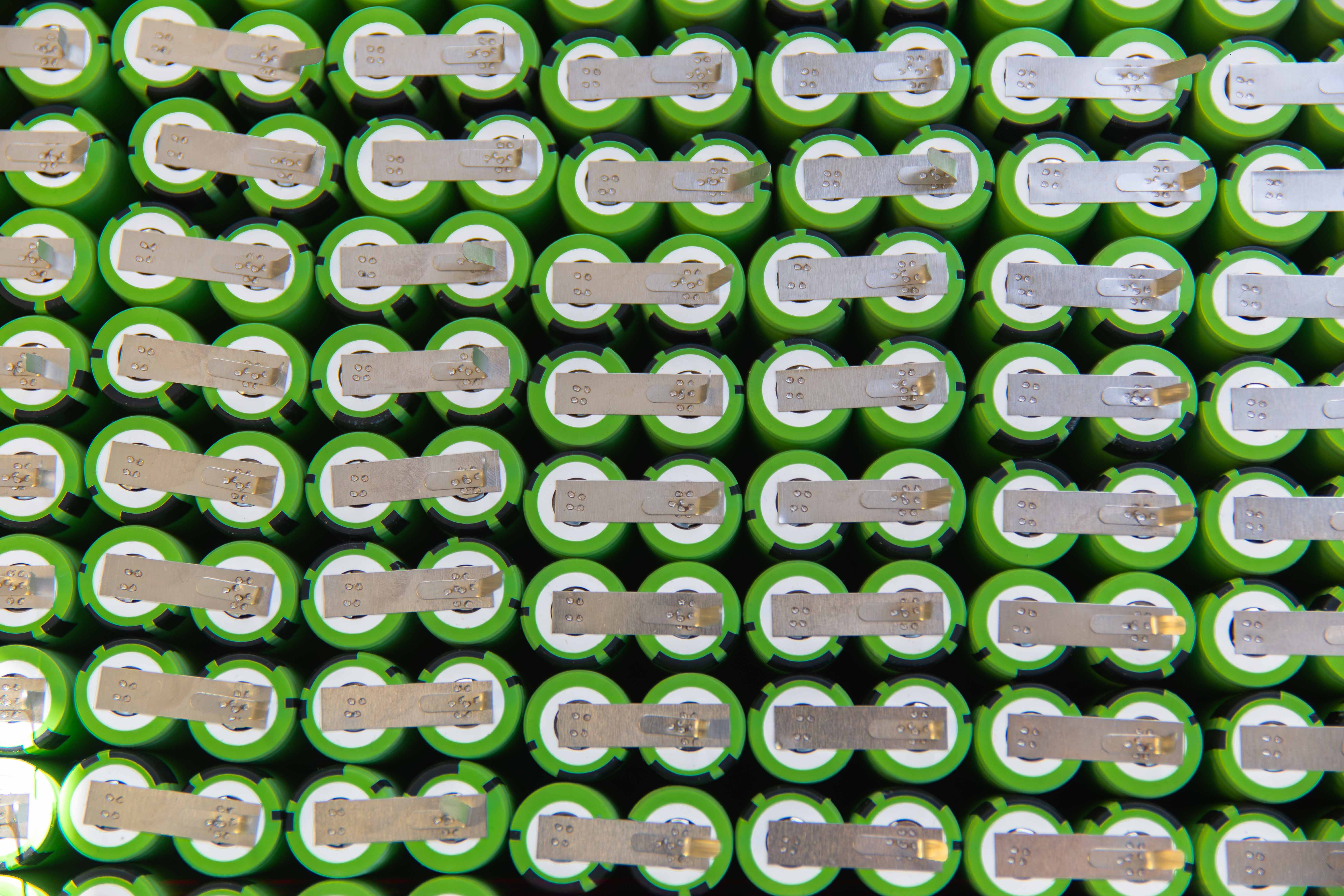
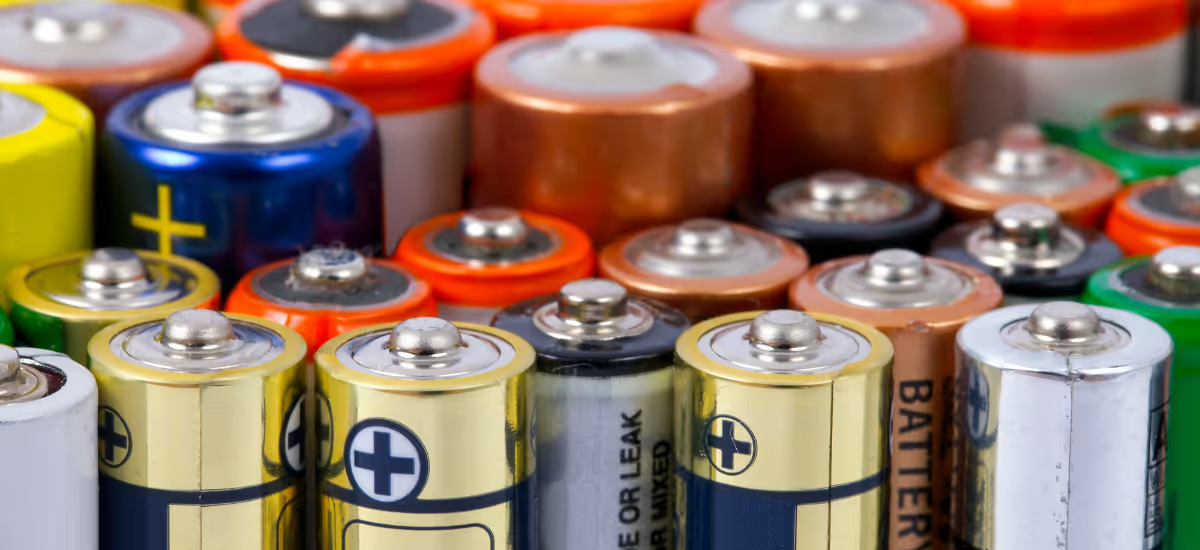
In IoT applications, the most commonly used battery chemistries are LiSOCl₂ (lithium thionyl chloride) and Li-ion.
- LiSOCl₂ batteries perform exceptionally well across wide temperature ranges and remain stable under changing environmental conditions
- Li-ion batteries work most efficiently at moderate temperatures (around 20–30 °C) and offer the advantage of rechargeability
2. Battery size: capacity matters, but not everything
In general, larger batteries provide longer runtime. However, they also increase weight, size, and cost.
The key is selecting a battery capacity that matches the actual energy profile of the IoT device.
3. System design makes the difference
An energy-efficient IoT device is designed around low power consumption.
This includes:
- Low-power electronics
- Efficient sleep modes
- Minimal energy losses in the circuitry
4. Optimize overall system power consumption
Select sensors and components with low standby current, activate modules only when needed, and avoid unnecessary “always-on” functions.
5. Limit payload size
The more data your device transmits, the more energy it consumes.
Always align data transmission requirements with the actual application needs.
6. Network coverage and communication distance matter
The greater the distance between the IoT device and the nearest network tower, the more transmission power is required.
When selecting an IoT network, consider not only coverage but also energy consumption under weak signal conditions.
7. Choose an energy-efficient communication protocol
Some wireless protocols are specifically designed for low-power IoT communication.
Evaluate whether your current communication protocol is the most energy-efficient option for your application.
8. Be aware of network congestion
In busy network environments, devices may need to reconnect or retransmit data more frequently.
More retries directly increase energy consumption.
9. Schedule transmissions intelligently
Wireless networks also experience peak traffic periods.
Sending data outside these busy moments increases the chance of successful transmission on the first attempt, reducing power consumption.
10. Transmit smaller data packets
Large data transmissions often require higher peak power. Splitting data into smaller packets can reduce energy demand and improve battery efficiency.
11. Include updates in your energy budget
IoT devices require periodic firmware and software updates.
These updates consume energy and should be included in the total battery consumption model.
Battery life is never determined by one factor alone
Optimizing battery life in IoT applications requires balancing battery technology, hardware design, communication strategy, and network performance.
At Elfa Elementenfabriek, we help companies every day with selecting the right battery solutions for IoT applications.
Want to discuss your IoT project or energy requirements? Feel free to contact our specialists.